
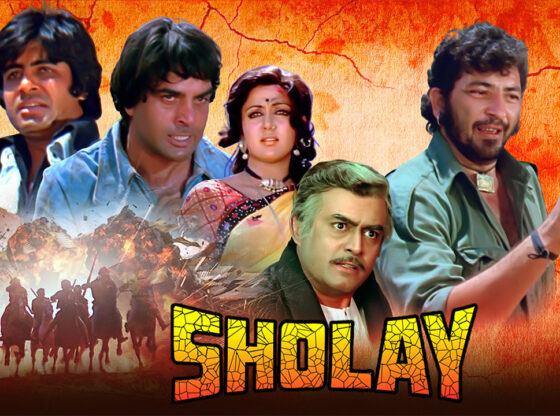

India’s prolific film industry, which produces more movies than any other country, is undergoing a dramatic transformation driven by artificial intelligence (AI). Unlike Hollywood, where union contracts and job displacement fears limit AI adoption, Indian studios are aggressively integrating the technology to cut costs, speed up production, and adapt to shifting audience habits. With moviegoer numbers dropping from 1.03 billion in 2019 to 832 million in 2025 amid the rise of streaming, production budgets are under pressure despite record box-office highs of $1.4 billion last year. Studios like Collective Artists Network are creating full AI-generated films based on Hindu mythology, such as scenes from the “Ramayana” featuring the god Hanuman or the “Mahabharat” with princess Gandhari. These efforts slash production costs to one-fifth and timelines to a quarter of traditional methods, according to Rahul Regulapati of Collective’s AI studio, Galleri5. Eros Media has even used AI to rewrite endings of older hits like the 2013 film “Raanjhanaa,” turning a tragic conclusion into a happy one, which boosted ticket sales by 12 percentage points above average despite backlash from the lead actor. JioStar, a joint venture between Reliance and Disney, aired an AI adaptation of “Mahabharat” that garnered 26.5 million views, though it faced criticism for lip-sync issues and perceived lack of authenticity.
This AI pivot reflects India’s broader embrace of the technology, with global tech giants like Google, Microsoft, and Nvidia partnering with local filmmakers to innovate. Google collaborated on an AI-powered series, while Nvidia is working to reduce computing costs for accessible production. Startups like NeuralGarage are revolutionizing dubbing, syncing lips across India’s 22 official languages to expand market reach without the mismatches that plague traditional methods. Industry experts predict AI could increase media revenue by 10% and cut costs by 15%, with firms like Abundantia Entertainment expecting AI-assisted content to comprise one-third of their revenue in three years. However, not everyone is on board—critics like Bollywood director Anurag Kashyap worry about the lack of safeguards, viewing it as a business-driven erosion of artistic integrity, while audiences have given mixed reviews to AI projects. Still, as India hosts AI film festivals and experiments with motion-capture hybrids, experts like University of Reading’s Dominic Lees suggest the country could lead the global shift in AI filmmaking, balancing efficiency with creative renewal in an era of economic uncertainty.