
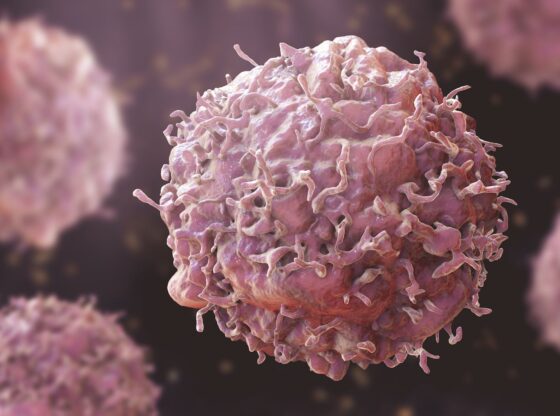

Artificial intelligence is poised to tackle one of humanity’s biggest health challenges by finding a cure for cancer that has eluded human scientists. According to a leading tech executive, AI systems will soon model complex biological processes like DNA changes caused by the disease, making breakthroughs possible in ways current methods cannot achieve. This shift could transform how treatments are discovered and developed around the world.
The idea centers on feeding vast amounts of data into increasingly powerful computers. These machines can handle problems that are too intricate for people to solve alone today. Over time, as models improve and data grows, AI is expected to identify new paths to effective cures. Experts believe this approach might shorten the years it takes to bring new therapies to patients who need them most.
Beyond medicine, the same technology is driving rapid advances in robotics. Humanoid machines powered by AI could become common in factories, homes, and public spaces within the next five years. They would learn tasks on their own, from cleaning and security work to building and repairs, easing labor shortages in many industries.
However, progress faces hurdles such as limited supplies of advanced chips needed for large data centers. Manufacturing these essential components locally in places like the UK remains unlikely for now. Instead, focus stays on designing smarter systems that deliver real benefits across health and daily life.
The future of medical AI depends not just on bigger machines but on high-quality data from real patient samples. This ensures accurate results without relying on unverified online information. Such targeted use of technology holds the key to faster, more reliable discoveries that improve outcomes for everyone.