
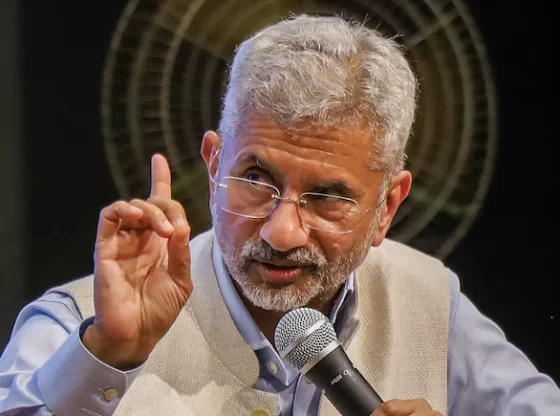

In a significant diplomatic outreach, Indian External Affairs Minister S. Jaishankar held a phone conversation with Iranian Foreign Minister Seyed Abbas Araghchi on April 29, 2026, just days after an India-led meeting of BRICS envoys hit a deadlock over the ongoing Gulf conflict. The discussion, aimed at paving the way for the upcoming BRICS ministerial meeting in Delhi next month, covered a range of topics including the fragile Iran-U.S. ceasefire, as well as broader bilateral, regional, and international issues. According to a statement from the Iranian embassy in New Delhi, the talks underscored the importance of maintaining stability in the region amid heightened tensions. However, Araghchi has not yet confirmed his attendance at the Delhi summit, leaving some uncertainty about Iran’s full engagement in the multilateral forum.
This development comes against the backdrop of BRICS—a bloc comprising Brazil, Russia, India, China, South Africa, and newer members like Iran—struggling to forge a unified stance on global hotspots, including the Gulf crisis. The recent envoys’ meeting, hosted by India, failed to produce a consensus, highlighting divisions within the group on issues such as the Iran-U.S. dynamics, which have been marked by years of sanctions, nuclear negotiations, and intermittent ceasefires. Jaishankar’s call with Araghchi reflects India’s proactive role as the current BRICS chair, seeking to bridge gaps and foster dialogue ahead of the ministerial gathering. Analysts suggest that the conversation could help de-escalate regional frictions, particularly in light of the ceasefire’s potential to ease economic pressures on Iran and stabilize energy markets in the Gulf. With BRICS increasingly positioning itself as an alternative to Western-led institutions, such bilateral engagements are crucial for advancing the group’s agenda on multipolarity and economic cooperation. As preparations intensify, the outcome of these talks may influence the broader geopolitical landscape, especially with ongoing concerns over maritime security and trade routes in the Persian Gulf. (Word count: 312)