


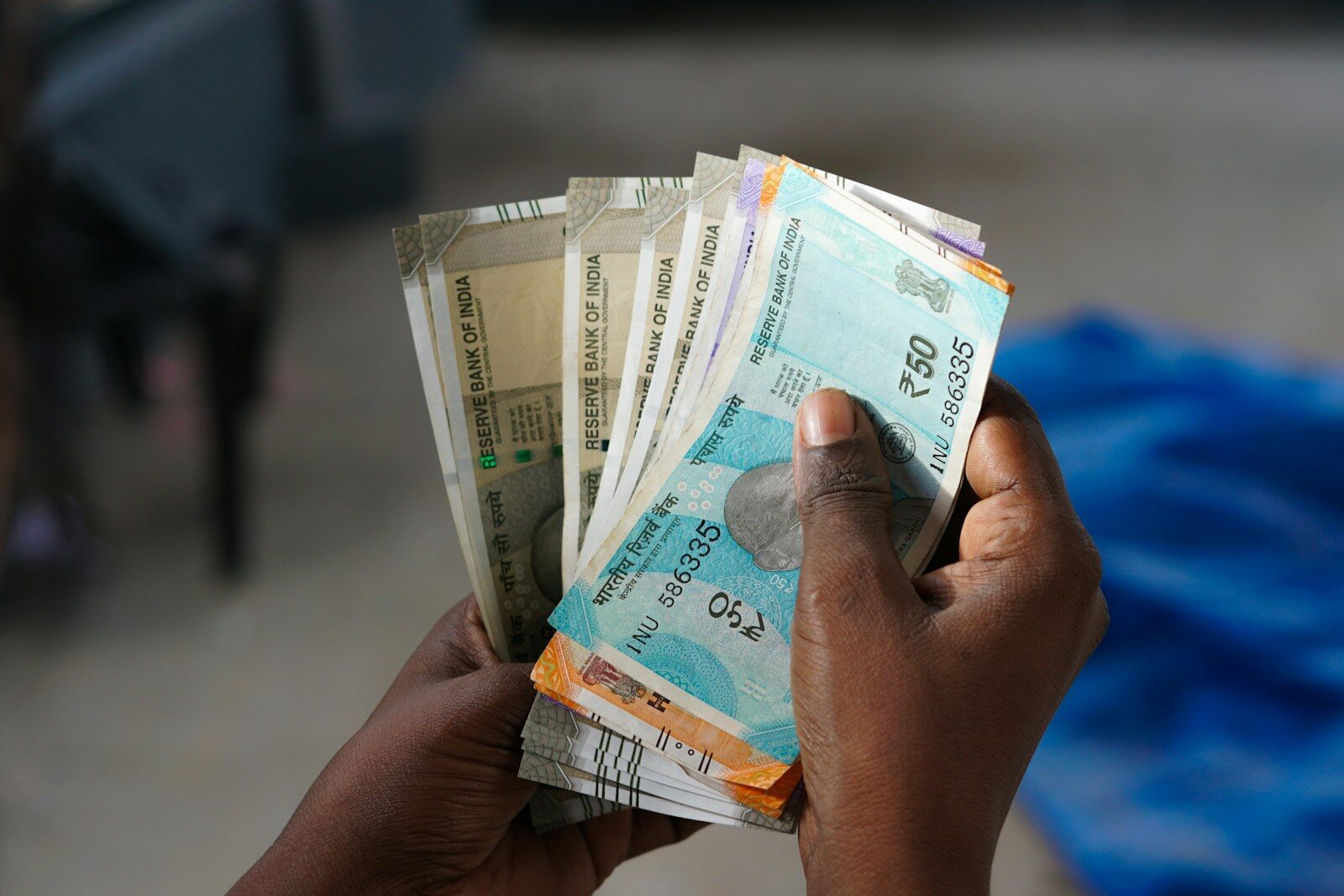
 In a stark illustration of India’s escalating digital fraud crisis, a Pune-based business analyst named Alok (name changed) lost over $3,200 after clicking a phishing link disguised as a speeding fine notice, authorizing a massive unauthorized charge via a one-time password scam. This incident highlights a broader epidemic of “social engineering” frauds, where scammers exploit fear and urgency to drain victims’ accounts. With India’s rapid shift to digital payments, fraud losses have skyrocketed: nearly 2.5 million people lost an estimated $25 billion in 2025 alone, a staggering 4,300% increase from 2021. Responding to this surge, the Reserve Bank of India (RBI) has released a discussion paper proposing measures to curb the menace, including a one-hour delay for account-to-account transactions, additional authentication by a “trusted person” for high-value payments by vulnerable groups like the elderly, limits on large credits to detect “mule” accounts used for illicit transfers, and enhanced user controls to toggle digital payments or set limits similar to credit cards.
Experts applaud the RBI’s proactive approach but warn of its limitations and implementation hurdles. Ultimately, experts emphasize that regulation alone isn’t enough; boosting digital literacy through campaigns—already featuring celebrities like Amitabh Bachchan and IPL tie-ins—must accelerate, alongside better inter-agency collaboration with police and regulators. The RBI’s consultative process marks a positive shift from top-down decrees, signaling hope for more effective safeguards as India grapples with fraud outpacing digital adoption.