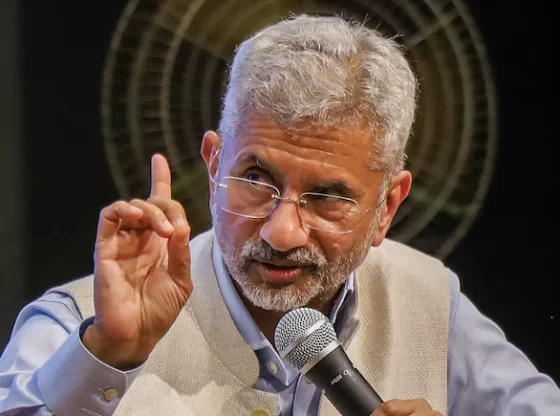

 In a high-level all-party meeting in New Delhi, India’s External Affairs Minister S Jaishankar firmly rejected Pakistan’s self-positioning as a key negotiator in the escalating tensions between the US and Iran, emphasizing that India does not engage in “dalali” (brokering) unlike its neighbor. The meeting, chaired by Defense Minister Rajnath Singh and attended by prominent figures including Home Minister Amit Shah and Finance Minister Nirmala Sitharaman, addressed the West Asia crisis amid concerns over its global economic fallout. Jaishankar informed lawmakers that Prime Minister Narendra Modi had directly urged US President Donald Trump during a Tuesday phone call to end the conflict as soon as possible, highlighting its detrimental impact on the world economy. Modi also stressed the importance of keeping the Strait of Hormuz open and secure for international trade. The government reassured participants that India maintains sufficient fuel reserves, with five additional tankers en route, and denied any silence on the killing of Iran’s Ayatollah Khamenei, underscoring New Delhi’s strong ties with Tehran. Jaishankar noted that Pakistan has attempted such intermediary roles since 1981, but India prefers direct diplomacy.
Opposition leaders, including Congress’s Mukul Wasnik, CPI(M)’s John Brittas, NCP’s Supriya Sule, AIMIM’s Asaduddin Owaisi, and others from the Samajwadi Party and Aam Aadmi Party, raised pointed questions on Pakistan’s involvement, India’s energy autonomy, and the government’s response to the crisis. Owaisi questioned India’s fluctuating oil policies—halting and resuming Russian imports based on US directives—and proposed forming an Asian security axis involving India, Japan, China, and South Korea. Concerns were voiced about 18 Indian-operated ships stuck in the Strait of Hormuz, the delay in condolences for Khamenei’s death (attributed to the Iranian embassy’s delayed opening), and India’s over-reliance on Qatari gas supplies. Some suggested sending an MPs’ delegation to the Iranian embassy and passing a condolence resolution for casualties in Lebanon. Jaishankar countered accusations of diplomatic silence by affirming India’s active engagement through statements and communications. Home Minister Shah elaborated on enhanced LPG supplies, while the government acknowledged the unpredictability of the war’s future impacts. Parliamentary Affairs Minister Kiren Rijiju later told reporters that the opposition appreciated the briefing and emphasized national unity in challenging times. The session highlighted India’s strategic balancing act in a volatile region, prioritizing economic stability and independent foreign policy.